Why Homeowners Choose Companies That Buy Houses for Cash
When the "For Sale" sign has been sitting in the yard for months or the roof started leaking right after the last mortgage payment, a cash offer can feel like a lifeline. I have watched neighbors, friends, and clients wrestle with the decision to sell the traditional way versus calling a company that says "we buy houses for cash." The choice is rarely about laziness or avoiding a real estate agent. More often, it comes down to timing, condition, and the sheer cost of waiting.
The Real Cost of a Traditional Sale
A typical home sale through a Realtor involves staging, professional photography, open houses, and endless waiting. Even after an offer comes in, the clock starts on a home inspection, appraisal, and financing contingency. I have seen deals fall apart three days before closing because the buyer's loan fell through. The seller lost six weeks and had to start over. That is time most people cannot afford, especially if they are already paying two mortgages or facing a foreclosure timeline set by Fannie Mae or Freddie Mac.
Then there are the out-of-pocket expenses. Sellers often pay for repairs discovered during the home inspection, termite treatments, or a new water heater just to keep the deal alive. Closing costs eat into the proceeds, and if the house is in rough shape, the buyer's lender might require fixes that the seller cannot finance. By the time you add up the real estate commission, the holding costs, and the emotional drain, a traditional sale can leave you with far less cash in hand than you expected.
When the House Is Not Move-In Ready
Many homeowners I talk to are sitting on an inherited property that has been vacant for years. The pipes have frozen, the yard is overgrown, and the kitchen looks like it belongs in a 1970s time capsule. A traditional buyer would run. They would demand a home inspection and then ask for a credit or a repair allowance. The bank would likely refuse to lend on a house with major structural issues. That is when the phrase "we buy houses for cash" starts to sound practical rather than desperate.
Cash buyers do not need the property to meet FHA or conventional loan standards. They do not care if the paint is peeling or the furnace is shot. They are buying the dirt and the location, not the finishes. For a seller, that means no list of repair requests, no back-and-forth over who pays for the radon mitigation, and no last-minute deal-breakers from an underwriter at a mortgage company.
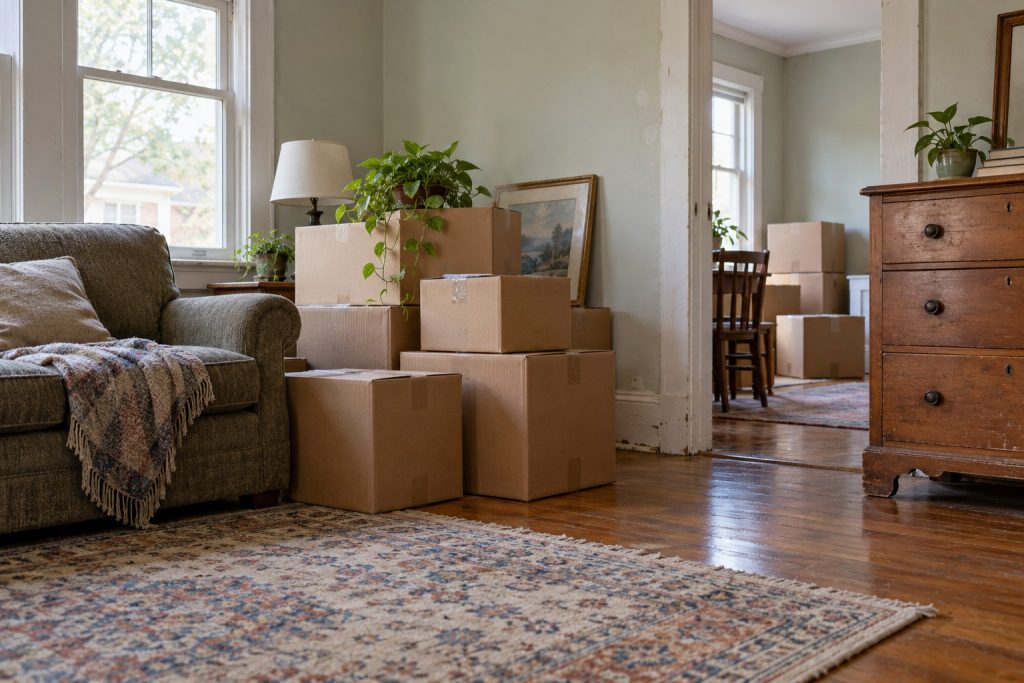
I remember a case where a seller inherited a house from an aunt who had lived there for forty years. The place had knob-and-tube wiring and a foundation crack you could fit a finger into. The Realtor told them it would need at least $40,000 in work before it could even be listed. The seller did not have that kind of cash. A cash buyer came in, looked at the house once, and closed in two weeks. The seller walked away with a check and no lingering liability.
The Numbers Game: Equity vs. Speed
There is a trade-off, of course. Cash offers are almost always below what you could get on the open market. That discount is the price of speed and certainty. If you have plenty of equity and can afford to wait six months, a traditional sale through a Realtor or even a FSBO listing might net you more money. But if you are behind on payments, facing a short sale, or just want to move on with your life, the premium for speed can be worth it.
I have worked with sellers who tried the FSBO route first. They listed on Zillow and hoped for the best. They got lowball offers from investors who wanted to negotiate for weeks. They paid for a home inspection that revealed problems they could not fix. Eventually, they called a cash buyer and closed in ten days. The amount they received was less than their FSBO asking price, but after factoring in the months of holding costs, utilities, and stress, they came out ahead.
It is important to understand that not all cash buyers are the same. Some are large institutional companies like Opendoor that rely on algorithms and a network of contractors. Others are local investors who rehab houses for rental income. Both have their pros and cons. The key is to ask questions upfront. What is the timeline? Are there any hidden fees? Who pays the closing costs? A reputable cash buyer will give you a straight answer and a clear HUD-1 statement at closing.
The Paperwork Side of a Cash Sale
Even when no lender is involved, a cash transaction still requires a title company. The title company runs a search to make sure there are no liens, unpaid taxes, or other claims against the property. They issue a title policy that protects the buyer. For the seller, this means the same level of legal protection you would get in a financed sale, but without the underwriting delays.
I have seen sellers worry about the paperwork because they think "cash sale" means a handshake and a notepad. It does not. You still sign a purchase agreement, review the settlement statement, and receive a HUD-1 that breaks down every fee. The main difference is that the money comes from the buyer's own funds rather than a mortgage note from a bank. That simplifies the process enormously. There is no appraisal, no loan contingency, and no one from Fannie Mae or Freddie Mac looking over the file.
For inherited property, the paperwork can be a little more complicated. You might need to go through probate or get all the heirs to sign off. But cash buyers are generally more flexible about timing. They can wait for the court to approve the sale, and they do not have a lender breathing down their neck with a rate-lock expiration date.
What About REO and Short Sales?
REO properties, or real estate owned by a bank after a foreclosure, are another area where cash buyers play a big role. Banks want to move these off their books quickly. They will often accept a lower cash offer because it closes faster than a financed offer that could fall through. The same logic applies to short sales, where the seller owes more than the house is worth and the bank has to agree to take less. A cash buyer can make the short sale process less painful because there is no risk of a financing denial at the last minute.
I remember a short sale where the seller had already moved out of state. The house needed new flooring and had a mold issue in the basement. The listing agent listed it on Zillow and Better Homes and Gardens Real Estate but got very little interest. A cash buyer came in with an offer that covered what the seller owed, and the bank approved it in less than a month. The seller avoided a foreclosure on their credit report and walked away with a clean slate.
How to Find a Legitimate Cash Buyer
Not every company that says "we buy houses for cash" is a good fit for every situation. I recommend doing what you would do for any major financial decision: research. Look at the company's reviews on Google. Ask for references if they have been in business for a while. A legitimate cash buyer will have a track record of closings and a physical office or a registered business address.
Be wary of anyone who pressures you to sign without reading the contract. A reputable buyer will encourage you to have a lawyer or a trusted advisor look over the documents. They should also be transparent about how they calculate their offer. Some use a formula based on after-repair value minus estimated repair costs and a profit margin. Others make a flat offer based on comparable sales in the area. Either way, you deserve to understand the numbers.
It is also worth comparing offers. If you call three different cash buyers, you will likely get three different numbers. That is normal. The highest offer might come with the longest closing timeline, or it might be from a wholesaler who plans to flip the contract to someone else. Ask questions. A straight cash buyer will close with their own funds and will not assign the contract to another party.
When It Makes Sense to Go Cash
I have seen cash sales work best in a few specific scenarios. If the house needs major repairs and you do not have the money or the time to fix them, a cash buyer can take it as-is. If you inherited a property from a relative who lived out of state and you do not want to become a landlord, a cash sale lets you wash your hands of it quickly. If you are facing a job relocation or a divorce and need to liquidate the asset fast, cash can give you closure.

There is also the emotional factor. Selling a home can be exhausting. The open houses, the showings, the constant tidying up, the worry about whether the buyer will actually close. A cash sale removes most of that anxiety. You get a firm closing date, a clear price, and no financing drama. For many sellers, that peace of mind is worth more than the extra few thousand dollars they might have gotten on the open market.
The next time you see a sign or a search result that says "we buy houses for cash," do not dismiss it as a gimmick. It is a legitimate option for homeowners who value speed, simplicity, and certainty over maximum price. Whether you are dealing with an inherited property, a short sale, or just a house that has seen better days, a cash buyer can be the difference between a long, drawn-out ordeal and a clean, fast close.
At the end of the day, the best choice depends on your personal situation. If you have the time and the means to prepare a house for the traditional market, go ahead and list it with a Realtor. But if you need to move on, if the repairs are too much, or if you just want the whole thing over with, calling a company that buys houses for cash might be the smartest move you make all year.